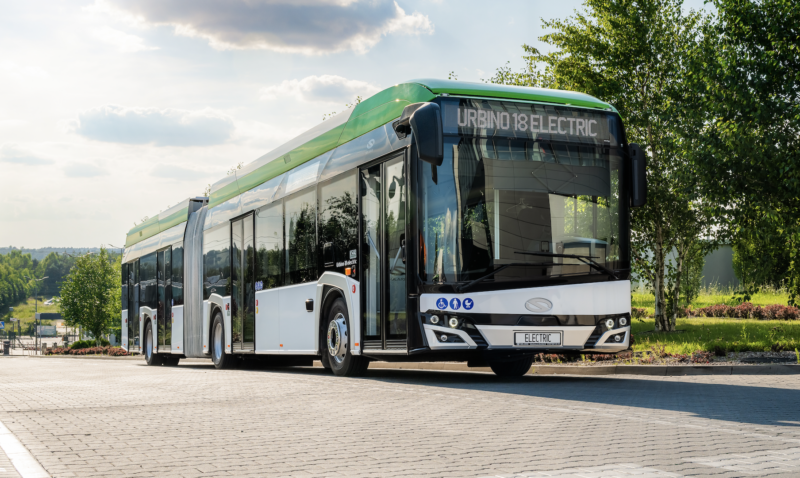
In a landscape increasingly dominated by conversations around climate change and sustainability, Sweden is taking a significant step forward in the electrification of public transit. The announcement of 103 new electric buses slated for deployment in various Swedish cities comes at a pivotal moment, as urban centers worldwide are under pressure to meet stringent emissions targets and transition to cleaner transportation alternatives. The move represents more than just an upgrade in fleet vehicles; it embodies a broader commitment to sustainability and innovation in public transportation. As cities look to reduce their carbon footprints, this initiative serves as a critical benchmark for progress in the energy transition.
The initiative was spearheaded by several key stakeholders, including the Swedish Transport Administration and local municipalities, working collaboratively to enhance public transit infrastructure. The electric buses, which are expected to roll out in the coming months, will provide a cleaner, quieter alternative to traditional diesel-powered vehicles. Each bus is equipped with advanced battery technology that allows for longer ranges and quicker charging times, thus addressing one of the primary concerns surrounding the adoption of electric vehicles in public transport. This investment not only demonstrates Sweden's commitment to electrification but also underscores the necessity for coordinated efforts among government bodies, manufacturers, and the public to achieve successful implementation.
Moreover, this initiative is part of a more extensive strategy aligned with the European Union's Green Deal, which aims to make Europe climate-neutral by 2050. The integration of electric buses into Sweden's public transit system is a direct response to this overarching goal and signifies a shift toward a more sustainable future. By investing in electric buses, Sweden is not merely adhering to regulatory requirements; it is also setting an example for other countries to follow. This initiative is expected to decrease greenhouse gas emissions, improve urban air quality, and enhance the overall public transport experience for commuters.
Beyond the immediate benefits of reducing emissions, the deployment of these electric buses also reflects a growing recognition of the essential role that electrification plays in the broader energy transition landscape. As cities across Europe face increasing pressure to innovate and modernize their public transportation systems, the Swedish model offers a roadmap for others to follow. The synergy between government policy, industry innovation, and public acceptance is crucial in driving the shift from fossil fuels to renewable energy sources, and Sweden's initiative exemplifies this intersection.
CuraFeed Take: The introduction of 103 electric buses in Sweden is a significant milestone that underscores the importance of public transit in the fight against climate change. This initiative not only positions Sweden as a leader in sustainable transportation but also sends a clear message to other nations: the transition to electric fleets is not only feasible but necessary. As countries grapple with their own carbon reduction targets, the success of this program will serve as a critical case study, highlighting both the challenges and opportunities that lie ahead in the pursuit of sustainable urban mobility. Stakeholders should closely monitor the performance of these electric buses, as their success could accelerate similar initiatives across Europe and beyond, ultimately reshaping the future of public transport.