Climate Change Extends Pollen Season, Amplifying Hay Fever Suffering
As global temperatures rise, pollen seasons in Europe are stretching longer, complicating outdoor enjoyment for millions. The consequences of climate change are now hitting hard where it hurts: our health and connection to nature.

FEMA Workers Who Criticized Trump Cuts Return After Lengthy Leave
Fourteen FEMA employees are back on the job after eight months of administrative leave for voicing concerns over funding cuts that jeopardize disaster preparedness. Their return highlights ongoing tensions about the agency's capabilities in the face of increasing natural disasters.

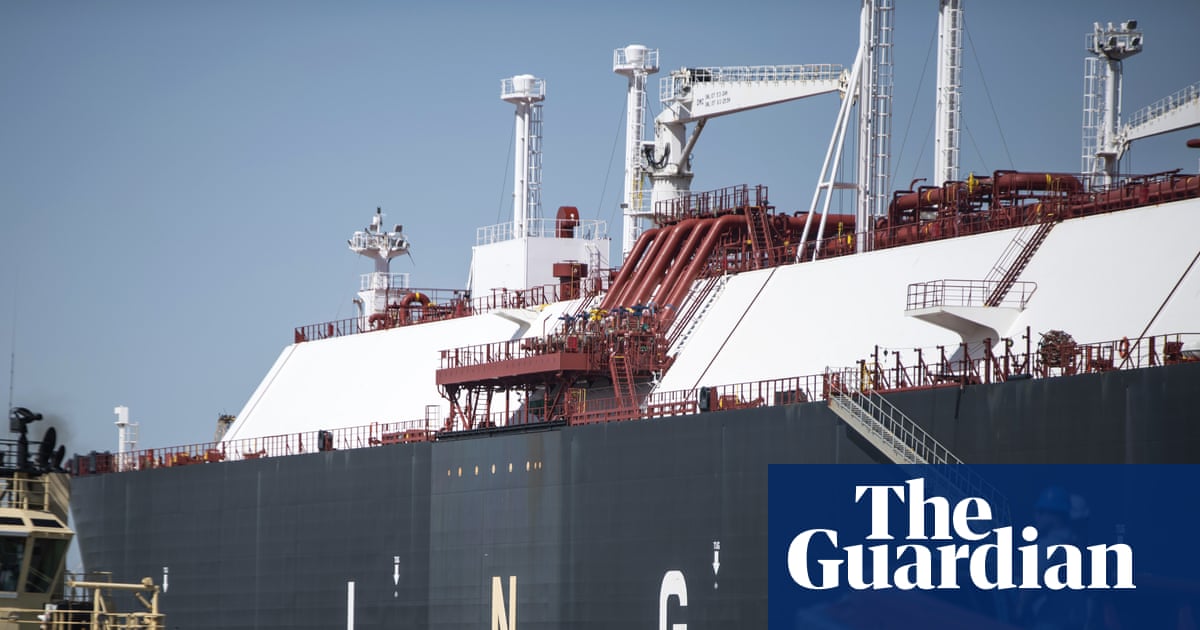
LNG Lobbyists Aim to Derail Global Shipping Decarbonization Talks
As nations with significant LNG investments exert pressure, the future of decarbonizing shipping hangs in the balance. With shipping responsible for 3% of global greenhouse gas emissions, the urgency to address its pollution cannot be overstated.
Rivian Boosts Georgia Plant Capacity by 50% to Meet Rising EV Demand
Rivian is ramping up its Georgia facility's output, now aiming to produce 300,000 electric vehicles annually. This significant increase reflects the company's response to growing demand in the electric vehicle market.





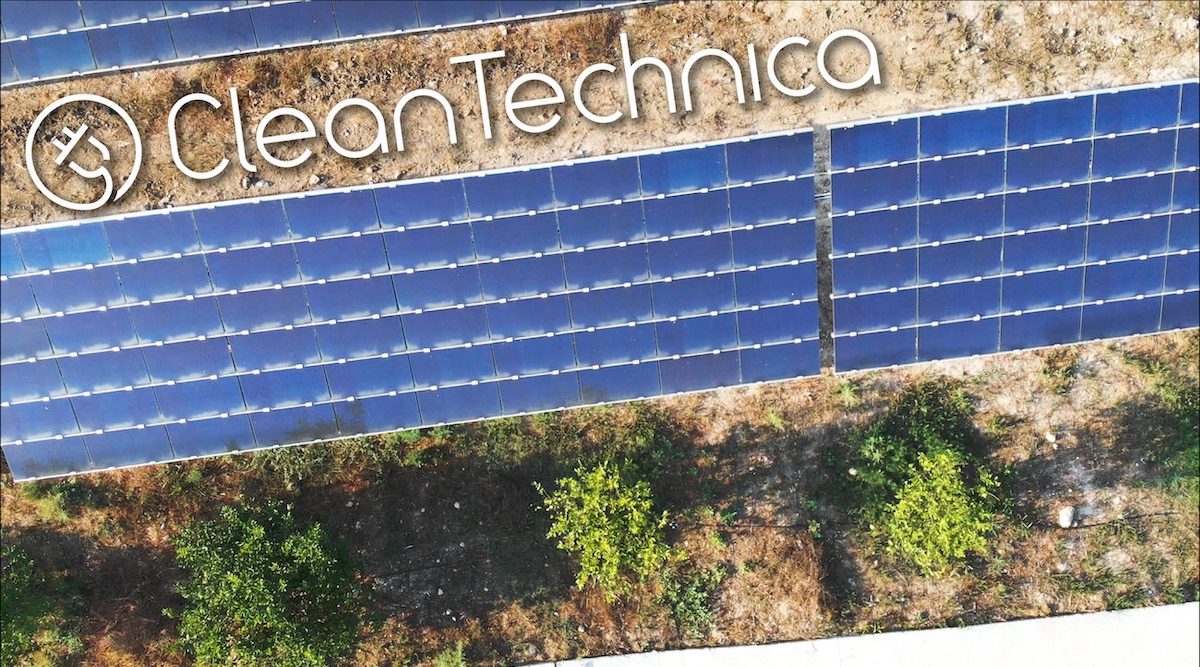
Farmers Embrace Solar Power: A Choice That Must Be Protected
As family farmers navigate rising costs and market uncertainties, many are turning to solar energy as a vital resource for sustainability. It is imperative for local governments to support, not hinder, this transition to renewable energy.
Workhorse's Bold Electric Van Rollout: A Game-Changer for Fleet Economics
As the transition to sustainable transportation accelerates, Workhorse is set to demonstrate the viability of electric fleets with a groundbreaking order of 100 electric vans. This initiative promises a substantial cost reduction of 65%, positioning the company as a potential leader in the electrification of commercial transport.

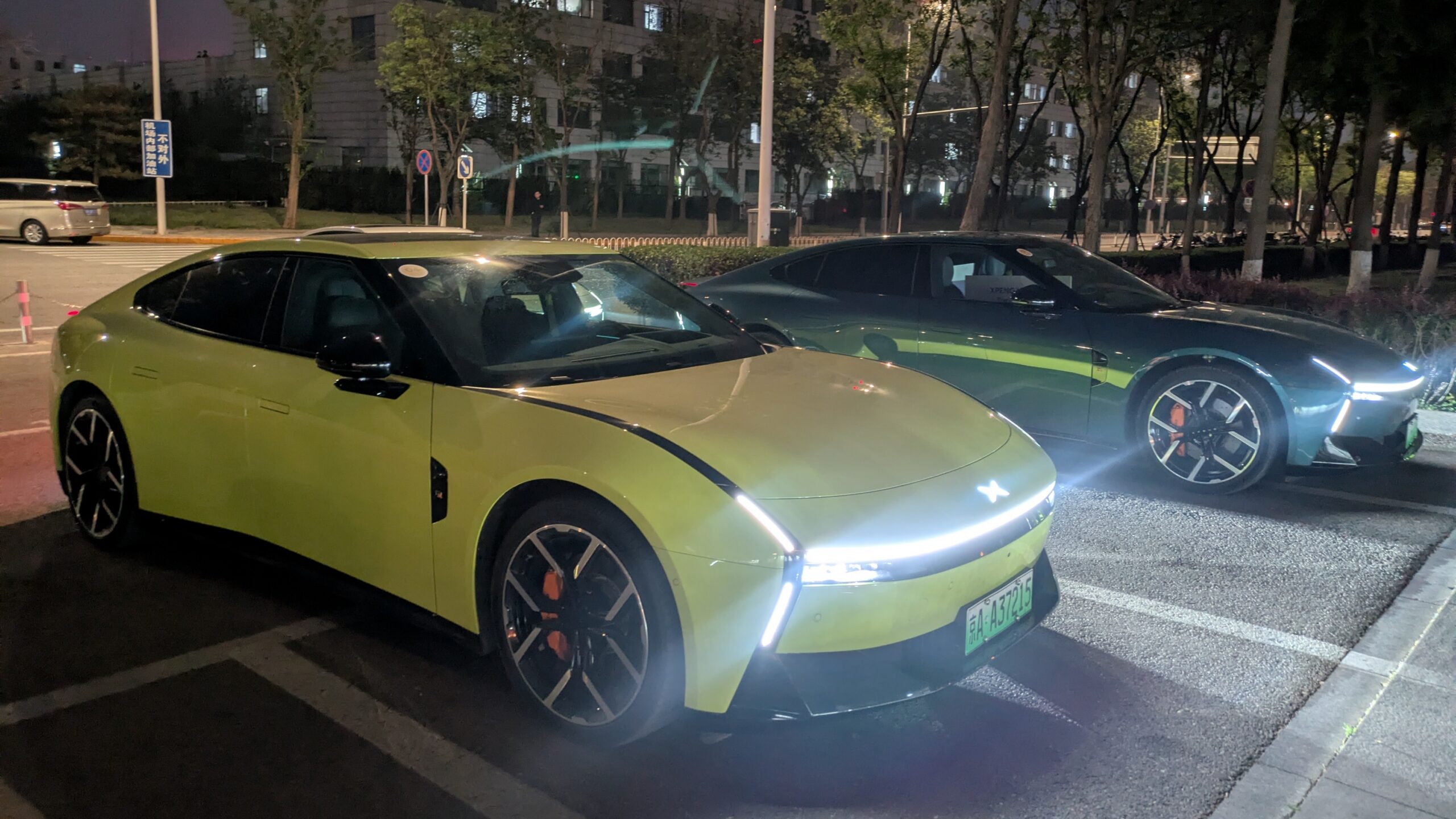
XPENG's VLA 2.0: A Leap in Autonomous Driving Technology
XPENG's latest P7 model, equipped with the VLA 2.0 system, marks a significant advancement in the realm of autonomous driving. As regulatory frameworks evolve, this innovation could reshape the future of electric vehicles and smart transport solutions on a global scale.
Legislative Push to Shield Fossil Fuels Could Undermine Clean Air Act
Recent legislative proposals from Texas and Wyoming threaten to significantly weaken the Clean Air Act, providing fossil fuel companies with expansive legal protections. As Congress debates these bills, the implications for energy policy and climate accountability are profound.





Unveiling the Humanitarian Gaps in Western Climate Policy Discourse
Recent research highlights critical humanitarian oversights in Western climate change policies, emphasizing the need for inclusive strategies. As climate impacts intensify, addressing these blind spots is essential for equitable adaptation and mitigation efforts.

Coastal Cities Face Decline in Sea-Land Breeze Due to Ocean Warming
Recent high-resolution modeling studies indicate that rising sea surface temperatures are diminishing the frequency of sea-land breeze days in major coastal urban centers. This trend highlights the urgent need to understand how anthropogenic influences on ocean temperatures could further disrupt this vital climate regulating mechanism.

Tropical Cyclones: An Unlikely Ally in Alleviating Drought Conditions
Recent research reveals that tropical cyclones can play a significant role in mitigating drought impacts in coastal regions, though their effectiveness varies. Understanding these interactions is crucial for enhancing climate resilience in vulnerable areas.
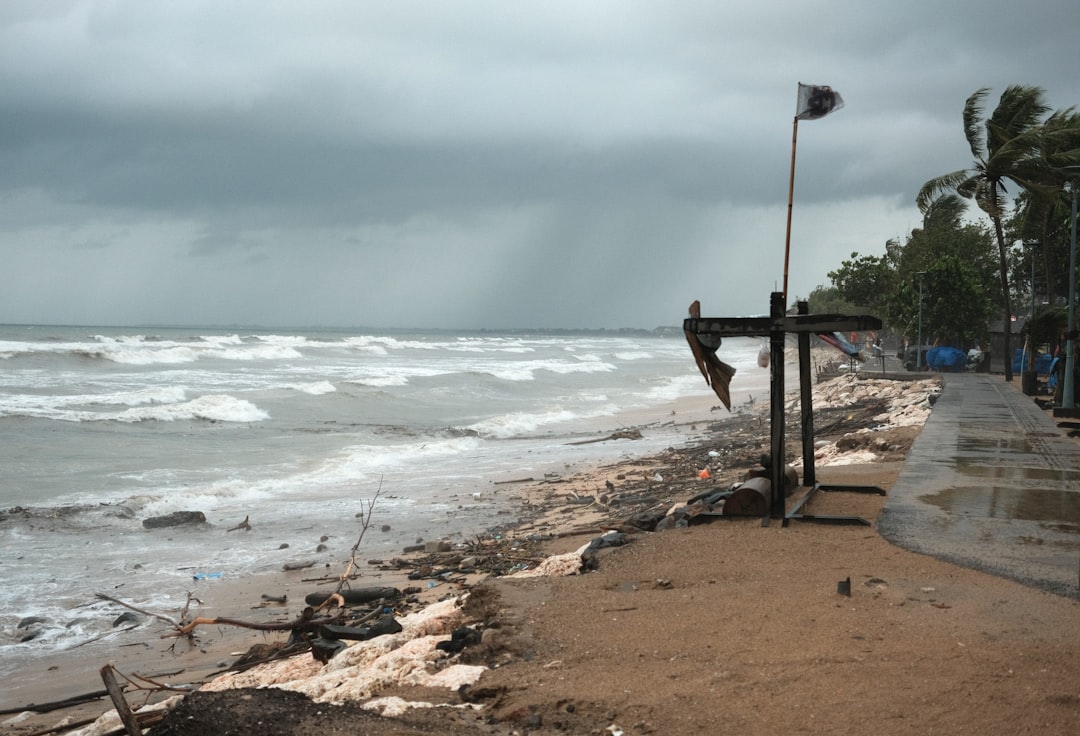
Rising Ocean Temperatures Disrupt Coastal Breezes, Intensifying Urban Heat
A groundbreaking study reveals that ocean warming is diminishing the effectiveness of the sea-land breeze, which plays a crucial role in moderating temperatures in coastal megacities. This decline in circulation exacerbates heat stress, posing significant challenges for urban planning and climate resilience.