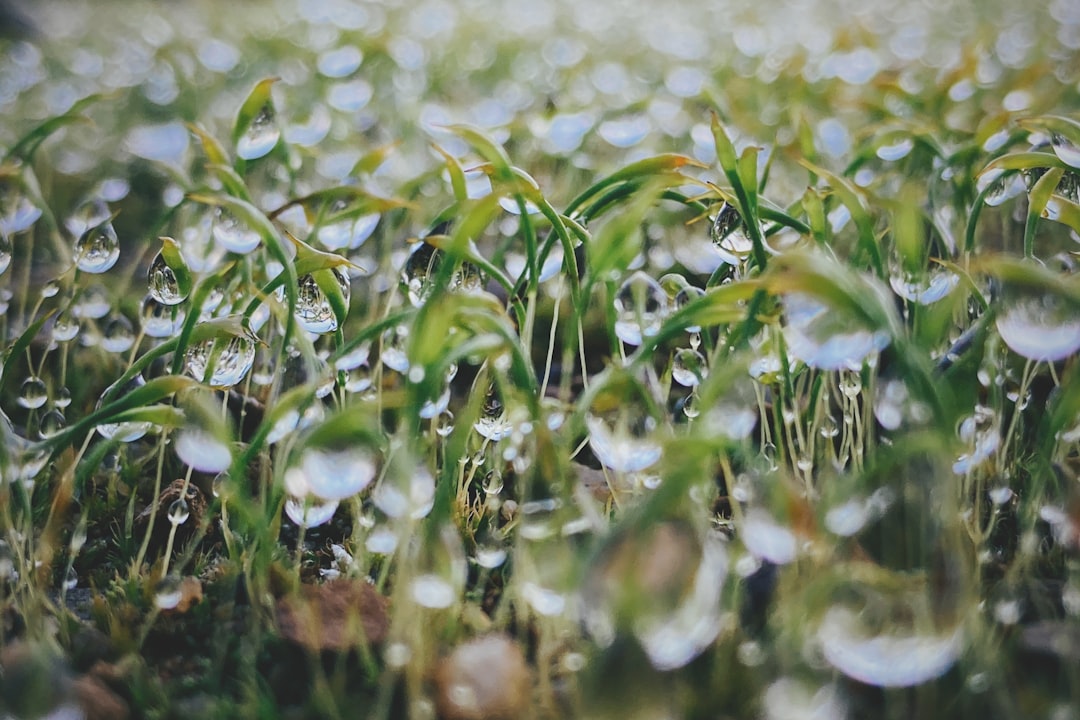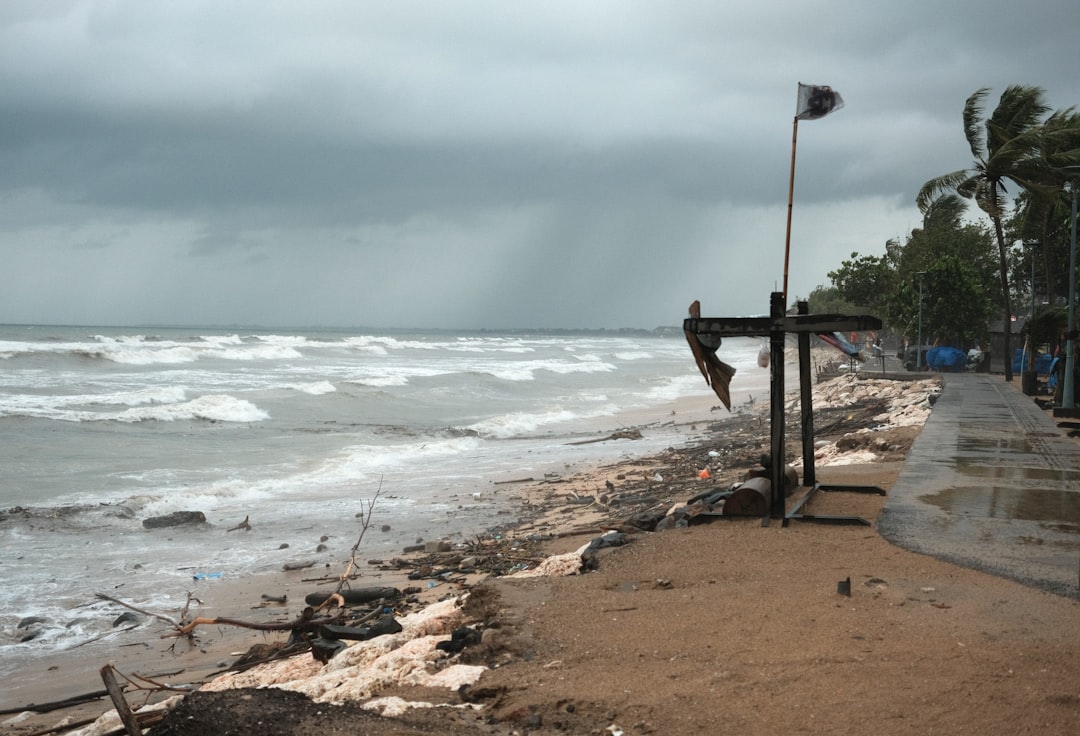
In an era marked by increasingly severe climate events, the intersection of droughts and tropical cyclones has become a focal point for researchers seeking to comprehend the complex dynamics of our changing climate. As global warming intensifies weather extremes, the ability to predict and manage these interactions could prove pivotal for agricultural productivity and ecosystem health in coastal zones. With droughts affecting vast swathes of land and threatening food security, the recent findings on how tropical cyclones can alleviate these conditions are both timely and critical.
A groundbreaking study published in Nature Climate Change has unveiled the nuanced relationship between droughts and tropical cyclones, emphasizing that the rainfall from these storms can significantly shorten and weaken drought conditions in coastal areas. The research highlights that this interaction is not uniform; rather, it is influenced by a variety of factors including cyclone strength, land topography, and pre-existing soil moisture levels. This variability necessitates a deeper understanding of local climate systems and their responses to tropical cyclone events.
The research team employed advanced climate modeling techniques to analyze historical data and meteorological records, focusing on regions that are frequently impacted by both droughts and tropical cyclones. They discovered that while the heavy rainfall associated with tropical cyclones can replenish water supplies and improve soil moisture, the degree of relief is contingent upon the timing and intensity of the cyclone. For instance, cyclones that make landfall during a drought's peak phase tend to offer more substantial relief compared to weaker storms or those that arrive at different times in the drought cycle.
This study is particularly pertinent in light of the increasing frequency and intensity of tropical cyclones attributed to climate change. As the global climate continues to warm, the likelihood of encountering both droughts and tropical cyclones may rise, making it essential for researchers and policymakers to grasp how these phenomena interact. The findings underscore the necessity of integrating cyclone forecasts into drought management strategies, thereby allowing for more adaptive responses to changing environmental conditions.
The broader implications of this research extend beyond immediate drought relief. Understanding the role of tropical cyclones in hydrological cycles can inform water resource management, agricultural planning, and disaster preparedness. It also raises important questions about the resilience of coastal ecosystems, which may be both benefitted and harmed by the unpredictable nature of such storms.
CuraFeed Take: This research signifies a paradigm shift in our understanding of tropical cyclones and droughts, revealing potential pathways for enhanced water management in vulnerable regions. While the insights gained offer a glimmer of hope for drought-stricken areas, they also highlight the complexities of climate interactions that must be navigated carefully. As climate models evolve, it will be crucial to monitor how these interactions develop, particularly in the face of ongoing climate change. Future studies should aim to refine the predictive capabilities regarding cyclone-induced rainfall and its effects on drought dynamics, ensuring that coastal communities can better prepare for, and respond to, the dual challenges posed by these climate phenomena.