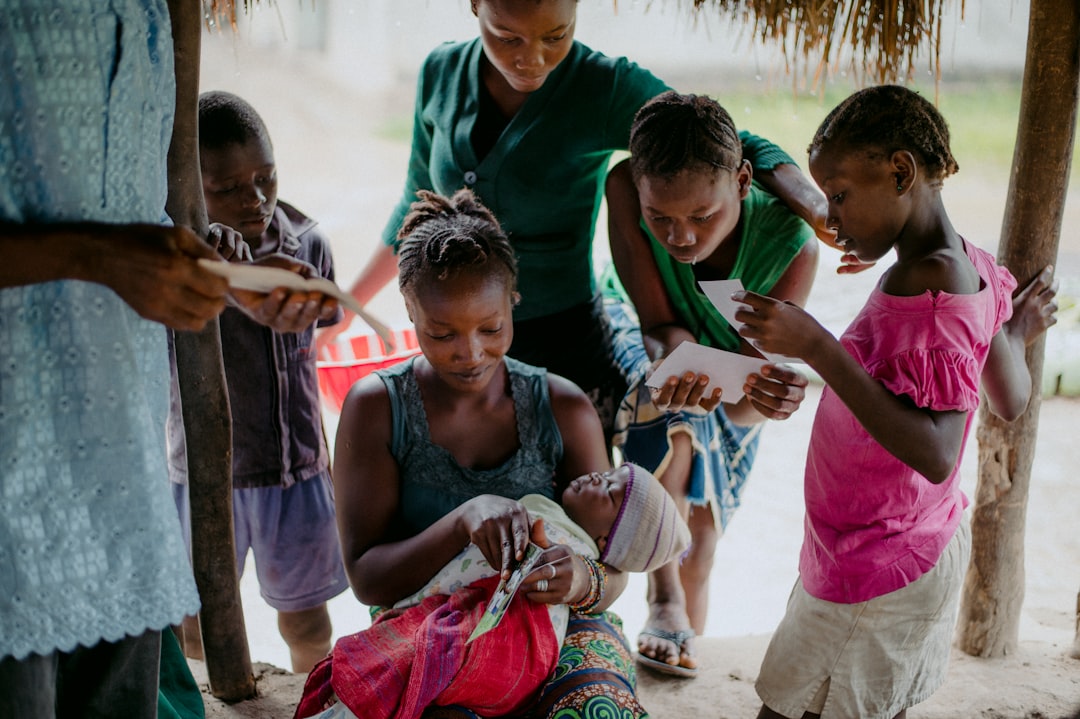
As the climate crisis escalates, the urgency for effective policy frameworks intensifies. However, a recent study published in Nature Climate Change reveals significant humanitarian blind spots within Western climate change policies, a discovery that calls for immediate attention and correction. The implications of these oversights are profound, not only for vulnerable populations globally but also for the efficacy of climate initiatives themselves.
The study, conducted by a team of researchers from various institutions, scrutinizes the prevailing discourse surrounding climate change in Western nations, pinpointing critical areas where humanitarian considerations are glaringly absent. The researchers utilized a mixed-methods approach, combining qualitative interviews with quantitative analyses of policy documents to uncover these gaps. Their findings suggest a systematic neglect of the needs and voices of marginalized communities, particularly in regions that are most susceptible to climate impacts.
In their analysis, the authors examined climate policies from several Western governments and international organizations, focusing on how these frameworks address social equity and justice. They found that while climate change mitigation efforts typically emphasize technological advancements and economic growth, the humanitarian implications—such as displacement, food security, and health risks—remain underexplored. This oversight not only undermines the effectiveness of climate policies but also exacerbates existing inequalities, leaving the most vulnerable populations without adequate support.
This research emerges in a context where the urgency of climate action has never been clearer. The increasing frequency of extreme weather events and the stark realities of climate-related displacement necessitate a comprehensive approach that integrates humanitarian perspectives into climate discourse. This study serves as a crucial reminder that without addressing the humanitarian dimensions of climate policy, the most affected communities will continue to bear the brunt of these challenges, further widening the gap between the privileged and the marginalized.
This analysis fits within a broader landscape of emerging research that critiques traditional Western approaches to climate change. Scholars have increasingly pointed to the need for a paradigm shift, advocating for policies that prioritize social justice and equity alongside environmental sustainability. The call for a more inclusive climate discourse resonates across various academic and activist circles, gaining traction as the consequences of climate inaction become increasingly evident.
CuraFeed Take: The findings of this study are a clarion call for climate scientists and policymakers alike to reevaluate the frameworks guiding climate action. The winners in this scenario will be those who embrace a holistic approach, integrating humanitarian considerations into climate strategies. As we move forward, it will be crucial to monitor how Western nations adapt their policies in response to these findings and whether they will prioritize equity and justice, thereby transforming the climate discourse for the better. The next steps must include not only the incorporation of marginalized voices in policy development but also a commitment to addressing the underlying social inequities that exacerbate the challenges posed by climate change.