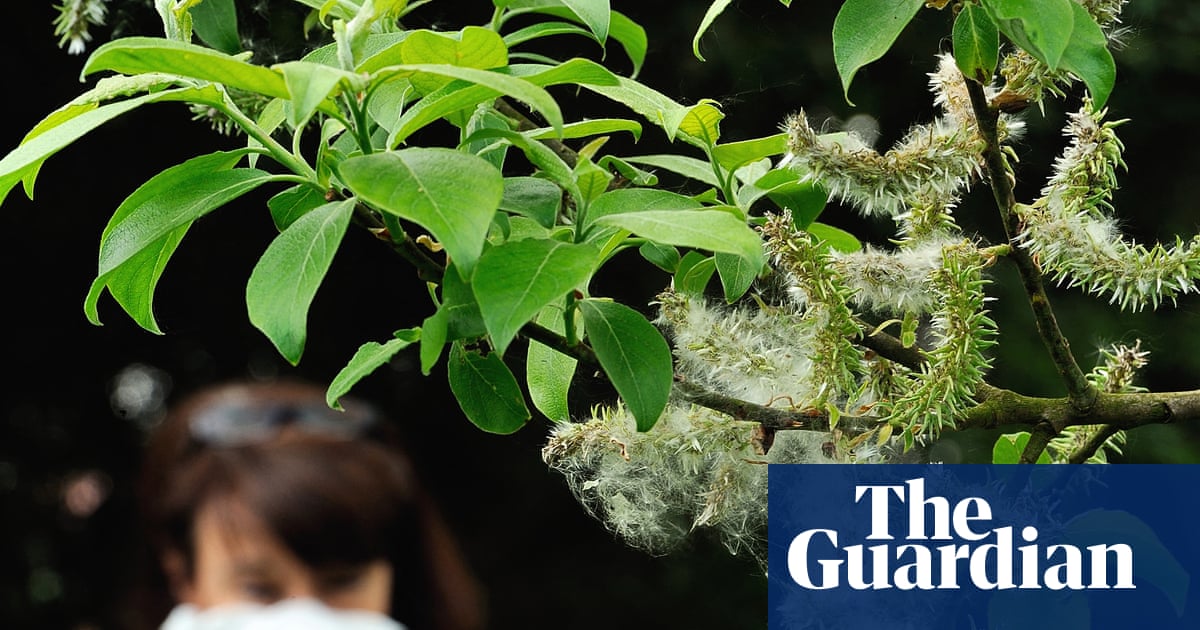
As summer approaches, many people are excited to step outside and enjoy the beauty of nature. However, for millions of allergy sufferers, the joy of a sun-soaked day can quickly turn into a sneeze-filled nightmare. Climate change is now playing a crucial role in this seasonal shift, extending pollen seasons and exacerbating hay fever symptoms like never before.
Recent studies have revealed that the European pollen season is extending by as much as two weeks compared to the 1990s, a worrying trend that reflects the broader impacts of global warming. As temperatures rise, plants are blooming earlier and producing more pollen, leading to increased allergic reactions for those sensitive to these airborne irritants. This shift not only affects health but also diminishes the overall experience of enjoying nature, as outdoor activities become marred by allergy symptoms.
Key players in this unfolding story include environmental scientists who are tracking the links between climate change and pollen production, as well as healthcare professionals witnessing a surge in allergy-related cases. The health implications are significant: increased pollen exposure can lead to more severe respiratory issues and a decline in overall quality of life for those affected. With climate change projected to continue its damaging trajectory, the future of outdoor enjoyment looks increasingly bleak for many.
This alarming trend is part of a larger narrative surrounding the climate crisis. As global temperatures continue to rise, various sectors—from agriculture to public health—are feeling the strain. Affected communities are grappling with changing weather patterns that impact everything from crop cycles to disease transmission. This interconnection highlights the urgent need for comprehensive climate action that addresses not only environmental sustainability but also public health.
CuraFeed Take: The extension of pollen seasons due to climate change is a wake-up call for policymakers and individuals alike. As allergy sufferers find their outdoor experiences increasingly compromised, it’s clear that the climate crisis is not just an abstract threat but a tangible reality affecting our daily lives. Moving forward, we must prioritize climate initiatives that not only aim for emissions reductions but also consider the profound effects on public health and quality of life. Watch for potential policy shifts aimed at addressing these intertwined challenges, as the urgency for action becomes more pressing with each passing season.