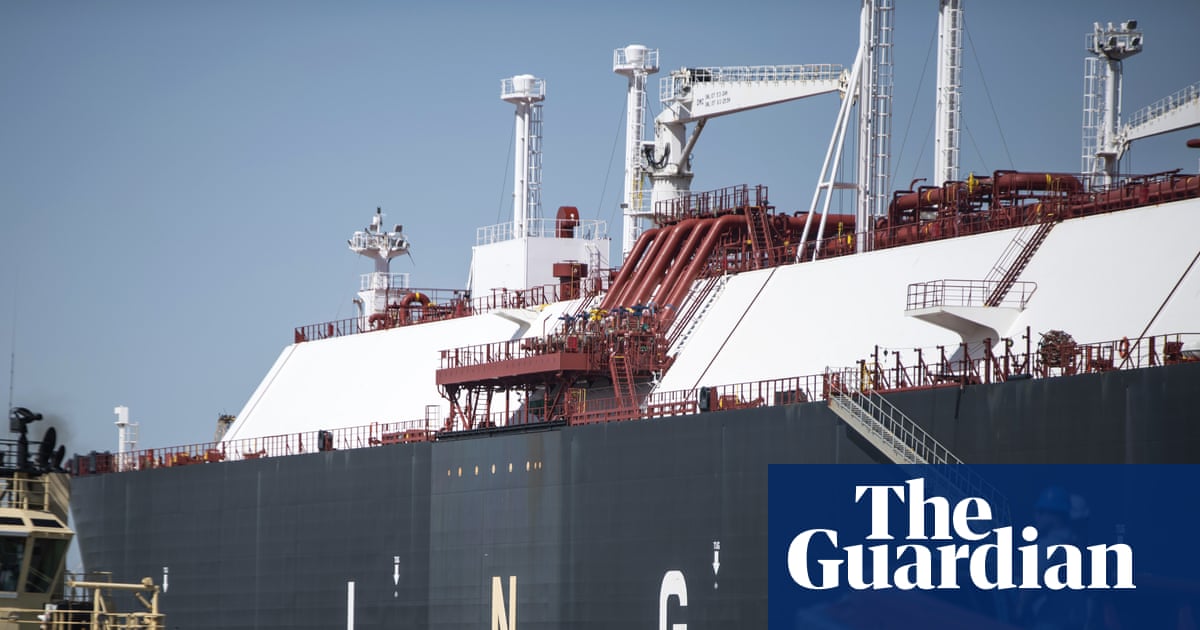
The clock is ticking as the world grapples with the pressing need to reduce greenhouse gas emissions, and the shipping industry remains a major contributor to this climate crisis. With shipping responsible for about 3% of global emissions, the urgency for effective decarbonization strategies is clearer than ever. However, a new wave of lobbying from liquefied natural gas (LNG) proponents threatens to derail vital international negotiations meant to tackle this issue head-on.
Recent developments indicate that countries heavily invested in gas resources are ramping up their influence at the International Maritime Organization (IMO) talks. These negotiations are crucial for establishing frameworks that could significantly reshape the industry’s environmental impact. However, observers suggest that the push from LNG interests could lead to a compromise on stricter regulations, undermining the collective goal of achieving a cleaner shipping sector.
The implications of this maneuvering are profound. The shipping industry, often dubbed the “hidden” polluter, primarily relies on heavy fuel oil, which is a byproduct of oil refining and among the dirtiest fuels available. As global trade continues to expand, the potential for increased emissions looms large, making the IMO’s decisions critical for the planet’s future. The current geopolitical landscape, particularly with tensions in oil-rich regions like the Strait of Hormuz, only complicates the dialogue surrounding energy resources and their environmental ramifications.
In the broader context of climate action, this situation highlights the intersection of fossil fuel interests and international policy. The push for LNG as a "cleaner" alternative is often couched in terms of transition, but critics argue that it could simply prolong the reliance on fossil fuels rather than accelerate a true shift to sustainable practices. As countries weigh their options, the risk of falling into what experts call the “lock-in” phase—where investments in fossil fuel infrastructures inhibit progress towards renewable energy—grows more pronounced.
CuraFeed Take: The moves by LNG interests to disrupt decarbonization talks present a formidable challenge to achieving meaningful climate goals in the shipping sector. While proponents may argue that LNG is a step in the right direction, it ultimately represents a delay in addressing the urgent need for sustainable solutions. Stakeholders must remain vigilant and advocate for ambitious policies that prioritize the environment over short-term economic interests. As these negotiations unfold, it will be crucial to monitor which countries and corporations emerge as winners and losers in this pivotal moment for global climate policy. Continued pressure from civil society and environmental groups will play a vital role in ensuring that the shipping industry moves toward a truly sustainable future.


