In a world increasingly defined by technological advancements and environmental imperatives, XPENG's latest offering—the P7 featuring the VLA 2.0 system—stands as a pivotal development in the electric vehicle (EV) market. As countries around the globe race to meet ambitious carbon reduction goals, innovations in autonomous driving technology are not only enhancing the driving experience but are also critical in influencing energy transition strategies and regulatory policies. The launch of the XPENG P7 with VLA 2.0 comes at a crucial juncture, where the demand for smarter, more efficient transportation solutions is at an all-time high.
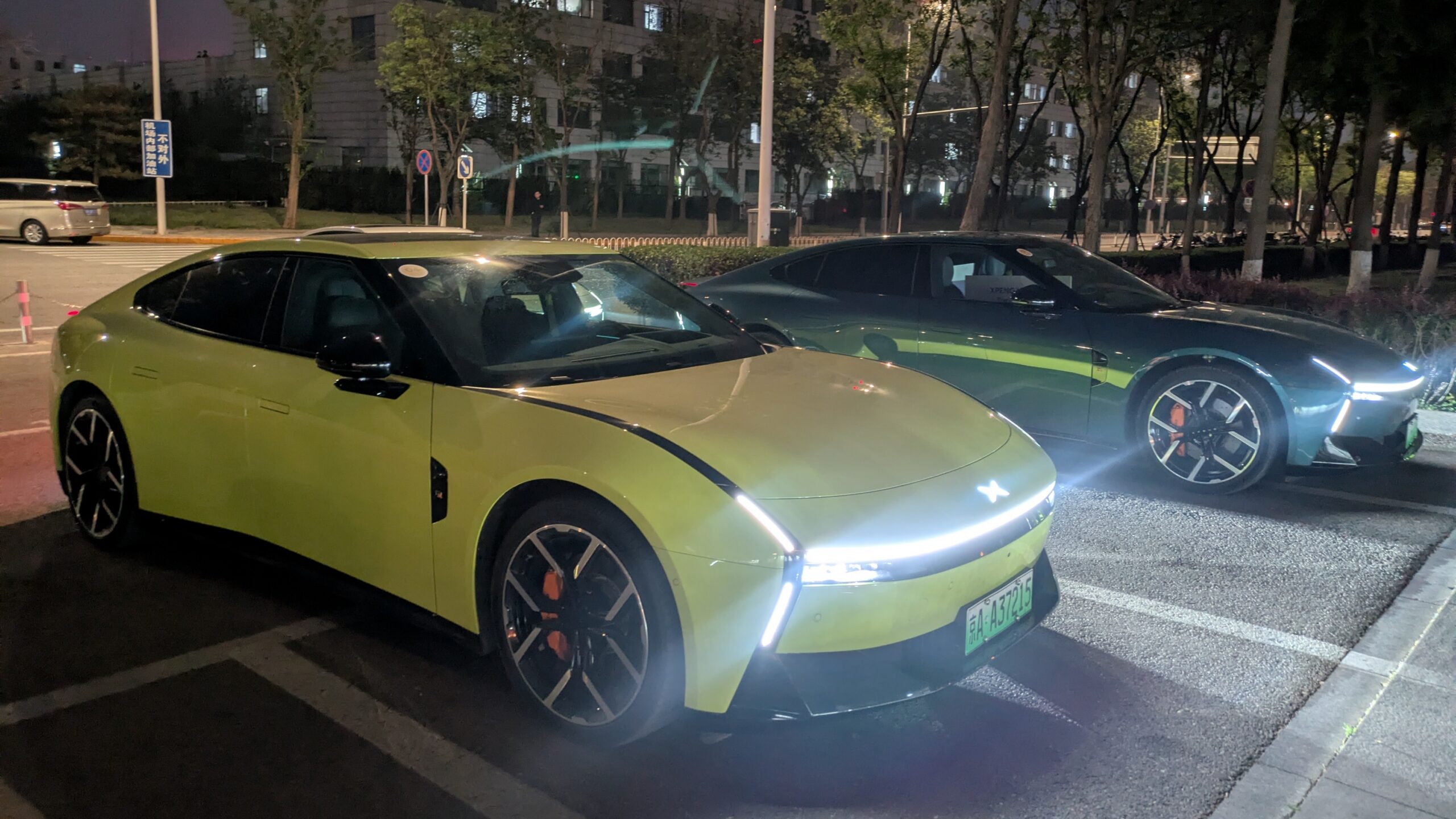
The XPENG P7 Ultra, showcasing the VLA 2.0 system, was recently tested in China, revealing impressive advancements in its Advanced Driver Assistance Systems (ADAS). This iteration takes user experience to new heights, incorporating enhanced features that allow for a more responsive and sporty driving experience. The VLA 2.0 system builds upon earlier iterations, such as the P7+, which had already set a high bar for autonomous capabilities. The technical specifications boast improved sensor fusion, machine learning algorithms, and real-time data processing, enabling the vehicle to navigate complex driving environments with greater confidence.
XPENG, a leading player in the Chinese EV market, is positioning itself as a frontrunner in the autonomous driving sector. With regulatory bodies worldwide beginning to establish frameworks around the use of autonomous vehicles, XPENG's advancements could provide a model for integrating such technologies into existing transportation systems. The VLA 2.0 system not only enhances safety and efficiency but also aligns with global sustainability initiatives by promoting the adoption of electric mobility, thereby reducing greenhouse gas emissions.
Contextually, XPENG's innovations fit into a broader landscape where numerous companies are vying for leadership in the autonomous vehicle space. As countries implement more stringent regulations on emissions and seek to transition towards sustainable energy sources, the demand for advanced EV technologies that can operate autonomously is expected to grow. The integration of AI in vehicles will play a critical role in this transition, as systems like XPENG’s VLA 2.0 exemplify the convergence of smart technology and eco-friendly transportation.
CuraFeed Take: The introduction of XPENG's VLA 2.0 system not only enhances the competitive landscape of electric vehicles but also signals a potential shift in regulatory approaches towards autonomous driving. Stakeholders in energy and policy should take note: as autonomous technology becomes more sophisticated and widely adopted, there will be significant implications for urban planning, infrastructure investment, and environmental policies. What to watch next? The response from regulatory bodies, as well as consumer acceptance of such technologies, will be crucial in shaping the future of mobility and sustainability initiatives globally.