As the climate crisis escalates and extreme weather events become more frequent, the role of the Environmental Protection Agency (EPA) is more critical than ever. Yet, a recent congressional hearing has revealed a stark proposal from the Trump administration to cut the EPA's budget in half, stirring outrage among Senate Democrats who argue that these cuts are a blatant disregard for environmental health and safety.
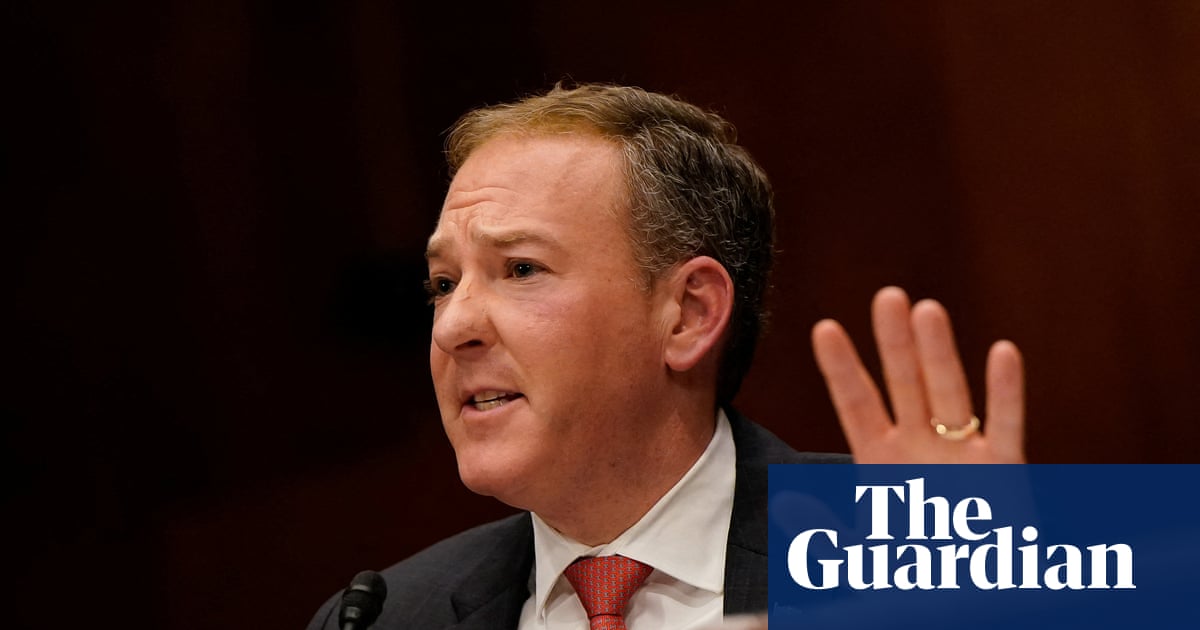
During a tense session of the Senate Environment Committee on Wednesday, EPA Administrator Lee Zeldin defended the drastic budget reduction, claiming it was part of a strategy to make the agency "more efficient." However, his assertions did little to convince Democratic lawmakers, who accused him of promoting an agenda that mirrors the sentiments of climate change deniers. This hearing marked Zeldin's final appearance in a week of budget talks, where he faced tough questioning and criticism regarding the administration’s commitment to environmental protection.
The proposed cuts would exacerbate staffing shortages that have already led to the EPA operating at its lowest capacity in decades. Critics, including prominent senators, expressed concern that such a reduction would severely hinder the agency's ability to respond to environmental crises and enforce regulations designed to protect public health. Zeldin's combative approach during the hearings, where he often turned the questions back on Democrats, further fueled frustrations and highlighted the growing divide on environmental policy in the U.S.
This ongoing battle over the EPA's funding is set against a backdrop of increasing climate-related challenges, from wildfires to flooding, which are affecting communities across the nation. As the impacts of climate change become increasingly evident, the need for a robust agency to oversee environmental regulations and protections is paramount. The proposed budget cuts not only threaten the EPA's mission but also signal a broader ideological clash over climate action in the country.
CuraFeed Take: The proposal to slash the EPA's budget is not just a financial decision; it is a direct attack on the very principles of environmental stewardship. This move could have grave implications for public health and safety, particularly for vulnerable communities disproportionately affected by pollution and climate change. As we look ahead, the key question will be how Senate Democrats respond to these cuts and whether they can mobilize enough support to protect the EPA's critical functions. The fight over environmental funding is far from over, and it will undoubtedly shape the future of climate policy in the United States.