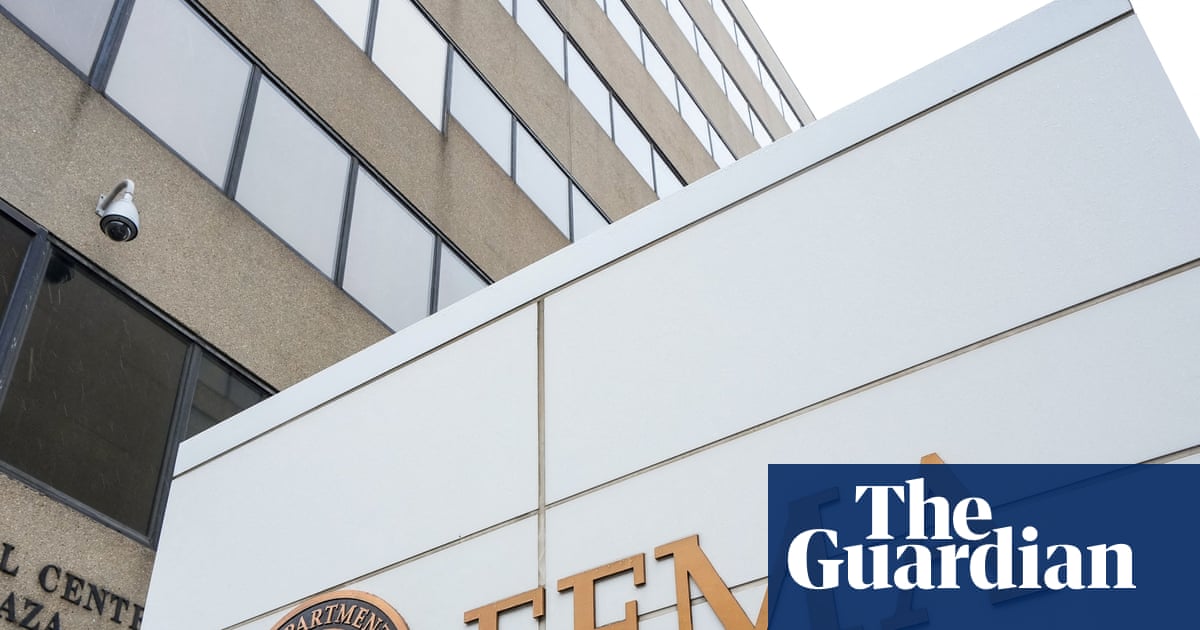
In a significant turn of events, fourteen employees from the Federal Emergency Management Agency (FEMA) have resumed their duties after enduring eight months of administrative leave. The workers had been sidelined for signing a public letter that openly criticized the Trump administration’s budget cuts, which they argued were severely undermining the nation’s ability to prepare for and respond to natural disasters. As climate change continues to escalate the frequency and severity of such disasters, the need for a well-resourced FEMA has never been more pressing.
The letter, known as the “Katrina declaration,” was addressed to Congress and aimed at a federal council tasked with shaping FEMA’s future. In their communication, the employees expressed deep concerns regarding the erosion of disaster response capabilities in the United States, highlighting how funding reductions could leave the country dangerously unprepared for future calamities. Their message was clear: effective disaster management requires adequate resources, and cuts to the budget would only exacerbate existing vulnerabilities.
The reinstatement of these employees comes at a crucial time when the nation is grappling with the consequences of climate change. With hurricanes, wildfires, and floods becoming more common, the ability of federal agencies to respond effectively is critical. The Biden administration has publicly committed to enhancing disaster preparedness, yet the lingering effects of previous funding cuts continue to haunt the agency. This recent development raises questions about the balance between political accountability and the operational integrity of vital government agencies.
In the broader landscape of climate-related policy, this incident reflects ongoing debates about the role of government in disaster preparedness and the need for sufficient funding. As the threats posed by climate change grow, many advocates are pushing for increased investments in infrastructure and emergency services. The reinstated FEMA employees are now in a position to push for these changes from within the agency, potentially making a significant impact on future disaster responses.
CuraFeed Take: The return of these employees is a victory for accountability and a reminder of the importance of dissent in public service. It underscores a shifting narrative around governmental responsibility in climate crisis management. Moving forward, we should watch closely how these workers influence FEMA policies and advocate for necessary funding. The stakes are high: the lives of countless Americans depend on a well-funded and prepared response to natural disasters. This event could serve as a catalyst for broader reforms in disaster management policies and funding, shaping the future of emergency preparedness in an era of climate uncertainty.