In a world grappling with the escalating impacts of climate change, finding solutions to reduce carbon footprints is more urgent than ever. As we face extreme weather events and rising temperatures, communities are seeking innovative ways to promote sustainability, particularly through retrofitting homes to improve energy efficiency. A pioneering program in Ottawa is rising to this challenge, providing immigrants with the skills needed to make a meaningful contribution to the climate crisis while simultaneously addressing the growing demand for skilled labor in the construction sector.
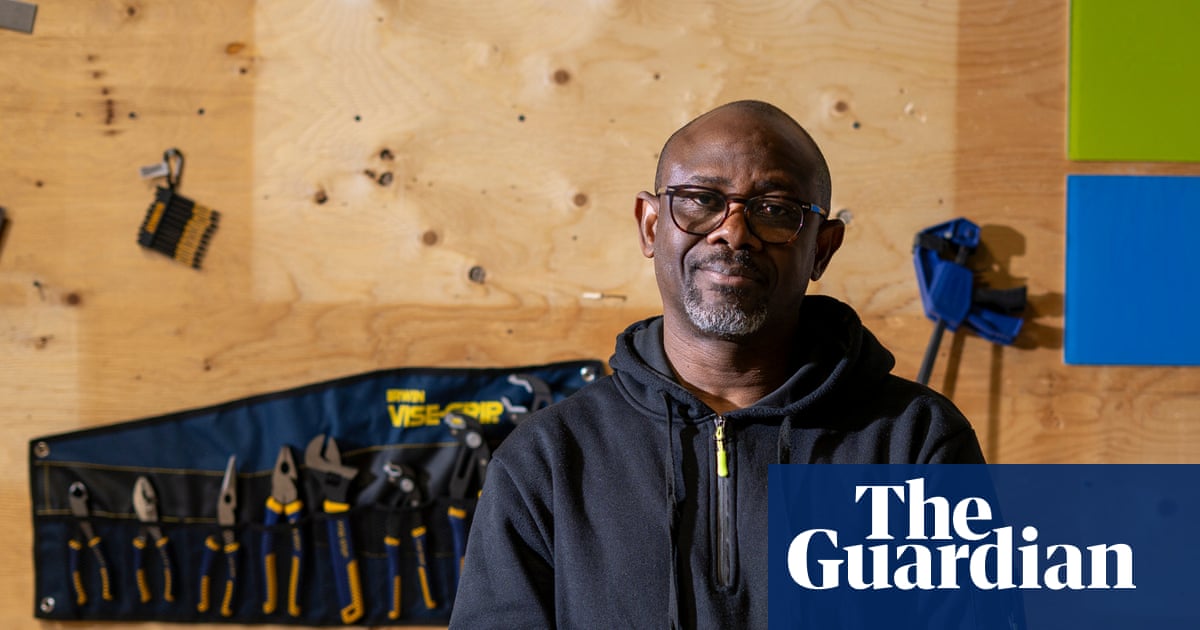
The initiative is spearheaded by a Canadian social enterprise that recognizes the dual need for retrofitting homes and filling a significant gap in the labor market. John Mava, a newcomer from Nigeria, discovered this opportunity while observing a construction project near his home. Intrigued by the differences in building techniques between Nigeria and Canada, he saw a chance to expand his knowledge and adapt to the local construction landscape, which prioritizes sustainable materials and practices.
Through this program, Mava and others like him are being trained in essential skills for retrofitting homes, which often involves upgrading insulation, installing energy-efficient windows, and incorporating renewable energy sources. This not only helps reduce energy consumption and greenhouse gas emissions but also creates jobs in an industry that is increasingly in need of skilled workers. The program aims to bridge the gap between the demand for energy-efficient construction and the availability of qualified labor, fostering a workforce capable of tackling the climate crisis head-on.
As the world shifts towards more sustainable practices, initiatives like this one in Ottawa are crucial. The construction industry is at a turning point, where retrofitting existing homes can significantly contribute to reducing overall emissions. By training immigrants, the program not only empowers individuals with new skills but also enriches the community with diverse perspectives and experiences in tackling climate challenges.
CuraFeed Take: This initiative represents a pivotal moment in the intersection of immigration, labor, and climate action. It highlights how communities can leverage the talents of newcomers to address pressing environmental issues while fostering economic growth. As we look to the future, we should watch for how this model can be replicated in other cities, potentially transforming the labor landscape and further igniting the fight against climate change. This could signify a shift towards a more inclusive and sustainable approach to energy efficiency, benefiting both the environment and the economy.