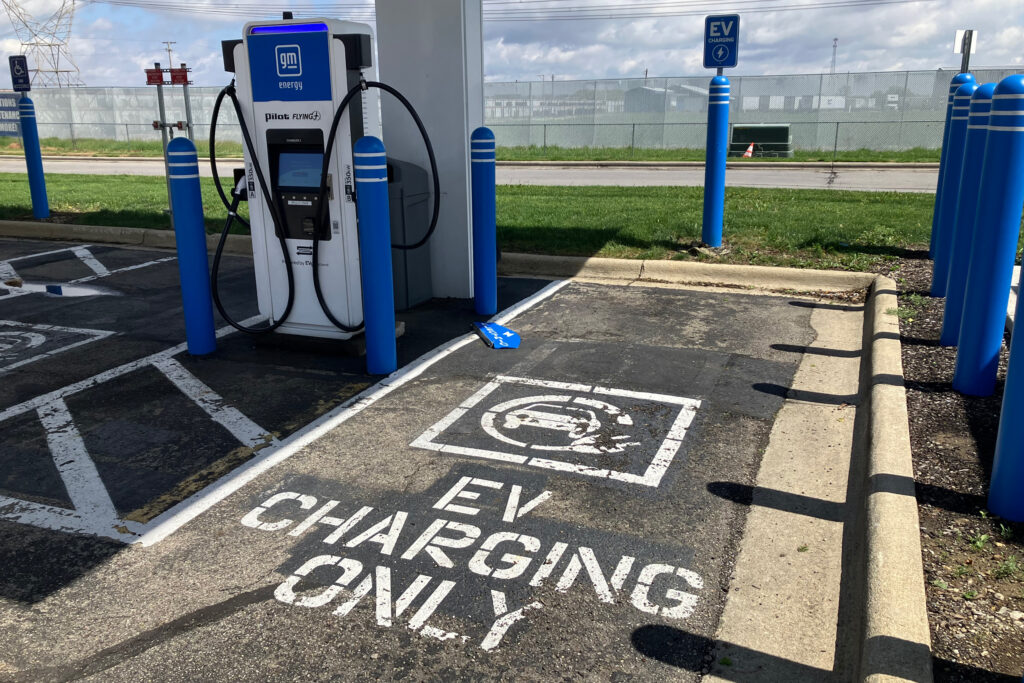
The urgency to transition towards electric vehicles (EVs) is more critical than ever, especially as climate change accelerates and fossil fuel dependency remains a pressing concern. As the world grapples with extreme weather events and pollution levels, the U.S. is making strides in electrifying its transportation system. The National Electric Vehicle Infrastructure (NEVI) program, which launched just five years ago with an ambitious goal of establishing 500,000 public EV charging ports by 2030, is a key player in this transformation. Despite facing challenges from prior governmental policies, the initiative has not only survived but is thriving.
Initially, NEVI was part of the Biden administration's broader strategy to combat climate change and promote sustainable transportation. With a budget of $5 billion, this program aims to create a comprehensive network of charging stations across the nation, thereby addressing one of the biggest hurdles to EV adoption: charging accessibility. Transportation Secretary Pete Buttigieg emphasized the importance of NEVI, stating that it would "help us win the future" by ensuring that electric vehicles are practical for all Americans, no matter where they live.
The program has gained momentum, with states and local governments actively participating in its rollout. They are working to identify optimal locations for charging stations, ensuring that both urban centers and rural communities are serviced. This collaborative effort not only bolsters infrastructure but also stimulates job creation in the green economy. By fostering partnerships with private sector players, NEVI is set to enhance the user experience and reliability of public charging networks, making electric vehicles a more attractive option for consumers.
In the context of the broader EV landscape, NEVI plays a pivotal role. The global shift towards electrification is gaining traction, with many countries implementing their own initiatives to reduce greenhouse gas emissions. However, the U.S. has faced unique challenges, particularly from policies enacted by the previous administration, which sought to stifle EV growth. Despite these setbacks, NEVI's resilience reflects a growing recognition of the importance of clean transportation solutions.
CuraFeed Take: The success of the National EV Charging Program is a testament to the determination of both policymakers and consumers to embrace a sustainable future. While the previous administration may have attempted to hinder progress, the momentum generated by NEVI suggests a clear public mandate for electrification. Moving forward, stakeholders must remain vigilant and proactive, ensuring that funding continues to flow and that the infrastructure is built in a way that meets the needs of all Americans. The next steps will be crucial in determining whether the U.S. can maintain its lead in the global EV race, and how effectively it can pivot away from fossil fuel reliance.